
Around the end of 2014, pundits were quick to say pop culture was having a “transgender moment.” Laverne Cox had just become the first transgender person to be nominated for an Emmy, and Dallas Buyers Club, with a transgender character at its heart, had swept the Oscar nominations. It appeared entertainment had finally come to embrace the T in LGBTQ. Nevertheless, in the two years following, no more than 5 percent of scripted, primetime, broadcast programming contained identifiably transgender series regulars. And while productions including The Danish Girl, 3 Generations, and Transparent centered on transgender characters, they also came under fire for casting cisgender actors as trans characters. Transgender people in Hollywood, it became clear, are still fighting to get their stories told.
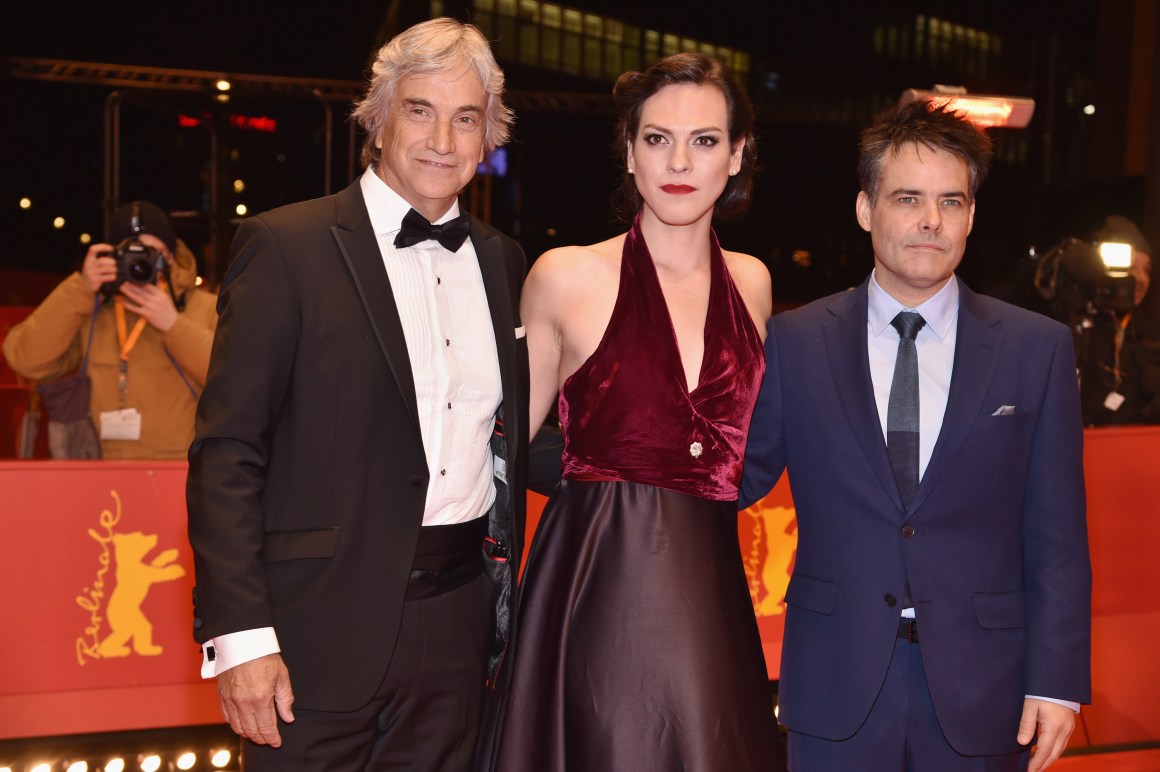
If unlikely to change the industry in that regard, this year’s A Fantastic Woman, directed by Chilean filmmaker Sebastián Lelio, promises to set a good example for it. The story follows Marina, a young transgender waitress in love with an older man: When he dies suddenly, Marina confronts his family members, who reject both their relationship and her identity. Marina, the titular fantastic woman, is played by real-life transgender actress Daniela Vega, who awards pundits are already projecting may make Academy Awards history next year as the first transgender woman to be nominated in a major category. Regardless, her film will diversify this year’s box office; it will also introduce viewers to a major new talent.
A version of this story originally appeared in the December/January 2018 issue of Pacific Standard.