

The Edit, Episode #10: The Great, Chaotic Biochar Experiment

On the latest episode of Pacific Standard’s podcast about how our stories are made, a feature story about Australian plant ecologist Brenton Ladd—an outsider who wants to save the region’s trees.
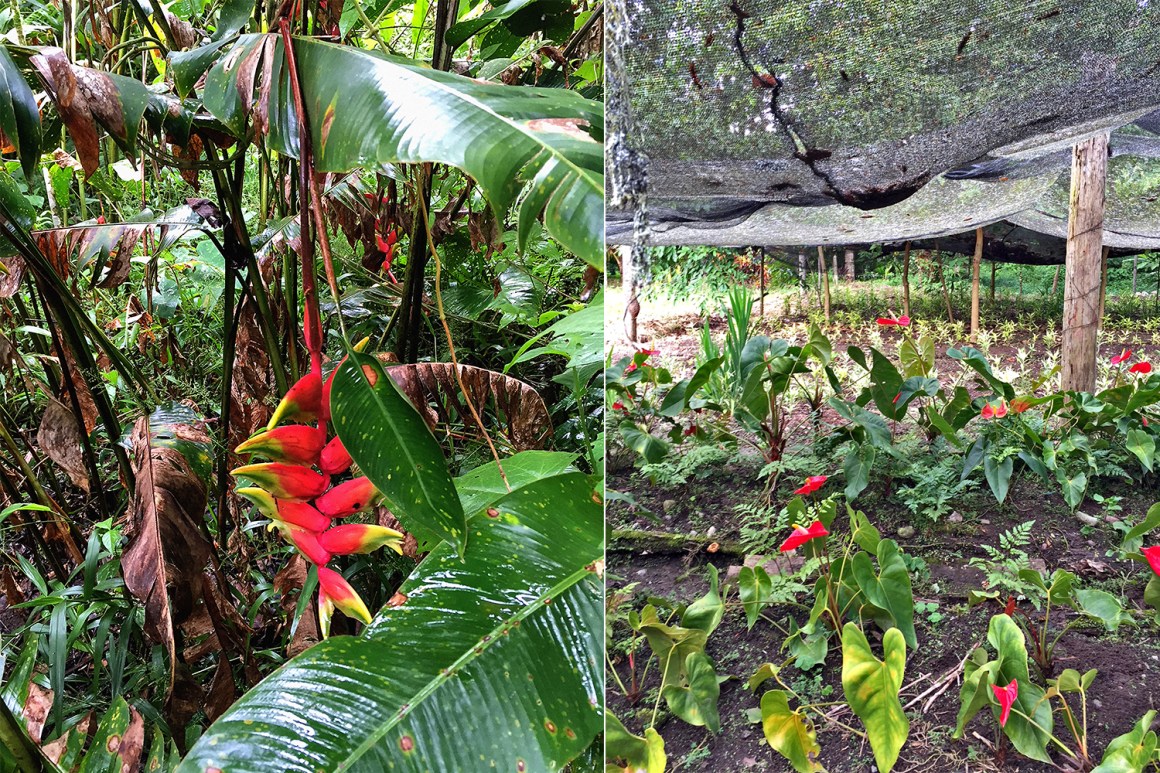
Left: Vegetation surrounding Señor Rogelio's house in San Ramón. | Right: The Aprodes field site in San Ramón.

On this special episode of The Edit, Pacific Standard staff writer Kate Wheeling reads her feature story “The Great, Chaotic Biochar Experiment,” which was a part of our May 2018 issue.

For this story, Wheeling traveled to Peru to meet with Australian plant ecologist Brenton Ladd, who wants to re-engineer the notoriously nutrient-poor soils in the Amazon, and, in the process, save the world’s trees. But first, he has to convince Peruvian farmers and non-profits—and, occasionally, his own research team—that he’s not just another gringo with a strange idea.

Wheeling covers issues related to science and the environment for Pacific Standard. You can find all of her articles, including this one, here.

To receive new episodes as soon as they go live you can subscribe to The Edit on iTunes, Spotify, and Soundcloud. Please leave a review or a comment; it helps us learn more about what our listeners want to hear on the show.

Related Posts

Prisons have no incentive to pay inmates better—to the contrary. Unlike workers in the free market, who (theoretically, anyway) can weigh factors like pay, working conditions, and other benefits when deciding where to work, inmates do not have a choice between employers. If they need the money, or the experience, they must take or leave what the prison is offering.

The Death Penalty in America: A Lethal History

In colonial Virginia, authorities could hang settlers for a crime as small as stealing grapes or killing a neighbor's chicken. The penal code in America's first colony was, in fact, so harsh its governor eventually reduced the number of capital offenses out of fear that settlers would refuse to live there. Since then, the number and severity of crimes punishable by death in the United States have fluctuated; today, the death penalty is still legal in 31 states. Here are some of the critical turning points in the history of capital punishment in America.
See More