

This PS Pick originally appeared in The Lede, the weekly Pacific Standard email newsletter for premium members. The Lede gives premium members greater access to Pacific Standard stories, staff, and contributors in their inbox every week. While helping to support journalism in the public interest, members also receive a print magazine subscription, early access to feature stories, and access to an ad-free version of PSmag.com.

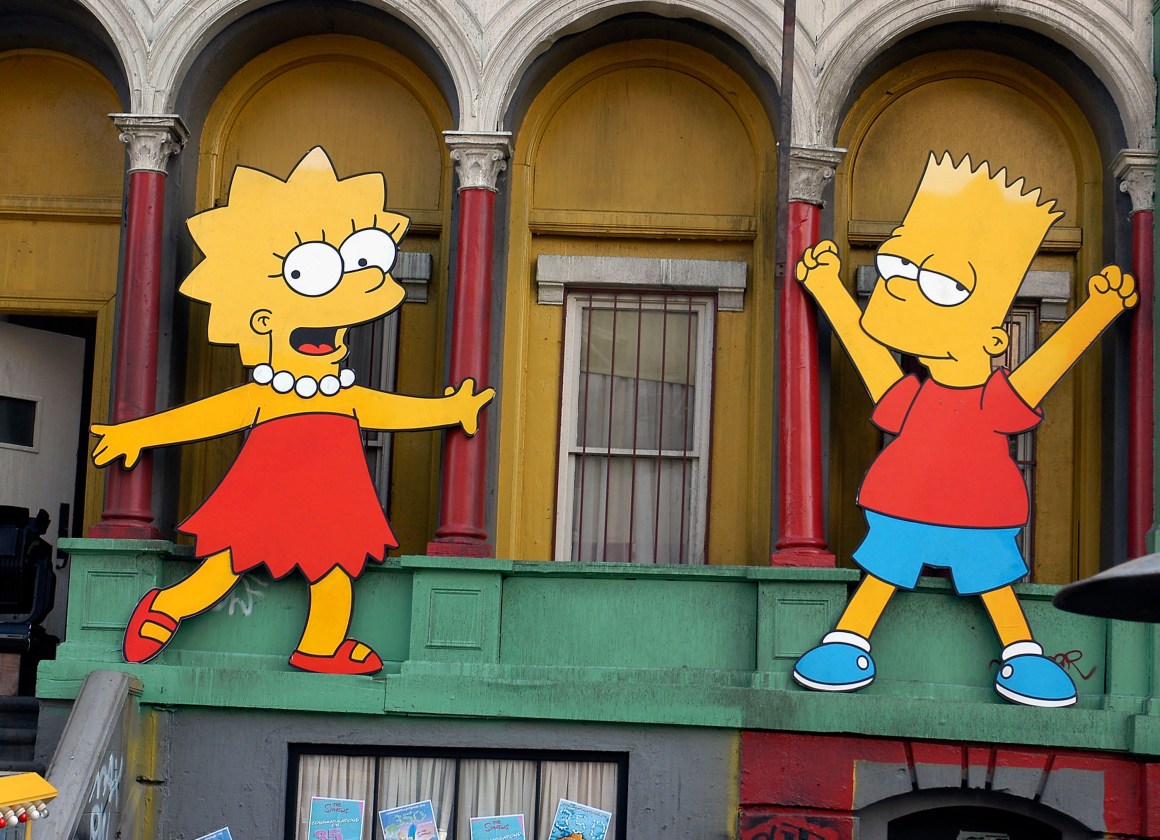
On February 22nd, Ted Cruz tried to lob bombs at the Democratic Party by declaring it “the party of Lisa Simpson”—whereas Republicans could claim the rest of the famous television family, i.e. Homer, Marge, Maggie, and Bart. Anchoring political debate in jabs at a cartoon eight-year-old seems misguided by default, and the Simpsons showrunner shot back at Cruz with distaste. But this grab for pop culture relevance—much like Cruz’s past attempts—backfired. Lisa Simpson is dope. She plays saxophone, regularly fights the Man, and has performed the choreography from Tina Turner’s “Proud Mary.” So instead of insulting his enemy party, Cruz just prompted a Lisa Renaissance: mocking rejoinders to his comment, Tweets from Democrats proud to rep Lisa, and a perfect build-up to Vanity Fair‘s great recent profile of Yeardley Smith, the woman who has voiced Lisa for 30 years. Her moment in the sun feels perfectly timed, with women like Emma González and Alicia Garza leading the way, just as Lisa would, on issues like gun control and racial justice. Cruz and the other haters: You’re losing this one, big time.