

Nipah virus is one of eight diseases that the World Health Organization has identified as epidemic threats in need of prioritization, and ways to curb it are running thin.
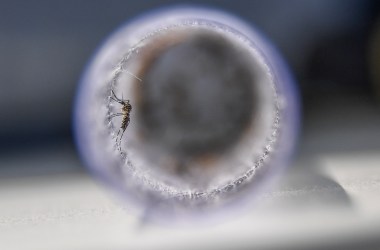
As severe storms become more frequent and temperatures rise, public-health experts are concerned about the increased potential for transmission of vector-born illnesses like Zika and West Nile.
Seeing these crimes go unpunished can make indigenous communities feel hopeless. But in dark times, I take inspiration from our grandmothers.
In the two decades since the Dickey Amendment, national data collection on gun-related injuries and deaths has been underfunded at best and systematically undermined at worst.
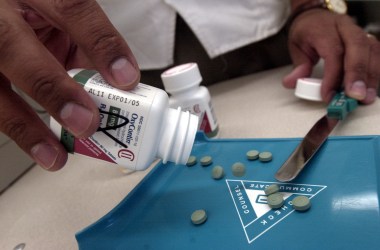
It seems few corners of America have been spared the ravages of opioid misuse.
Getting people to eschew risky painkiller prescriptions isn't as easy as persuading them to buy body wash, researchers warn.
A handful of insurance companies have begun programs that connect their members with social workers.
Forty percent of births in America are unintended, which can lead to unhealthier babies and kids. But is treating every woman as "pre-pregnant" the answer?
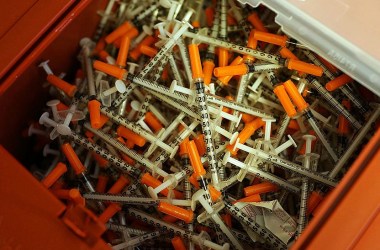
Volunteers in inner cities launched the United States' first needle exchange programs, but now the need has moved to suburban and rural America.
Toxic tap water is just not acceptable in 2015 (in Flint, Michigan, or anywhere else).
Used responsibly, antibiotics are lifesavers that keep horrific infections at bay. But pumping our livestock full of these wonder drugs could lead to devastating results.
Hepatitis C is common behind bars, but sick prisoners aren’t getting treatment.
How hospitals are getting ready to face a rapidly changing climate.
If recent history is any indication, we're well-equipped for this scary new bacteria.
New legislation would increase CDC funding for gun violence research from zero dollars to $10 million. The NRA calls the push “unethical” and an “abuse of taxpayer funds.”
Since Congress pressured the CDC to stop funding research on gun violence, Dr. Garen Wintemute has donated more than $1.1 million of his own money to keep his research going.
It sounds shocking, but this is not a new argument.
With African Americans disproportionately affected by HIV, we asked Donna Hubbard McCree to describe the culturally centered work being done to stem the infection. A Miller-McCune.com interview.
The 131 reported measles cases occurring in unvaccinated children in 2008 is the highest year-to-date figure since 1996.
Newly released figures concerning the number of HIV infections in the U.S. has brought outrage and a flood of reaction. However, the findings do not surprise the HIV/AIDS advocate community.