Social Justice How You Read Science News Depends—a Little—on Your Political Beliefs More accurate science reporting helps everybody, but it's mitigated by how liberal or conservative people are. Francie Diep
Social Justice The 30 Top Thinkers Under 30: The Former Child Prodigy Who, He Says, Is Finally Doing Something New and Interesting We canvassed the world of the social and behavioral sciences, looking for rising stars whose careers promise to make a lasting mark. We'll be profiling the top 30 throughout the month of April. Avital Andrews
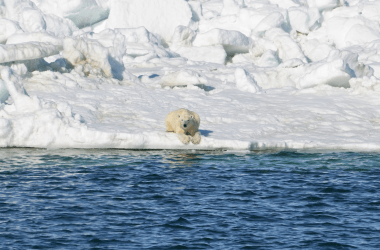
Environment How to Feed a Polar Bear In a warming climate, polar bears face a dramatically changing future. If they'll cope is still uncertain. Francie Diep
Environment There’s a Scientific Consensus on Climate Change? Much of the public remains unaware of that basic fact, but researchers have found two ways to increase people's knowledge. Tom Jacobs
Environment Urbanization Can Heat a Place as Much as Climate Change The urban heat island effect is indeed very strong. Francie Diep
Social Justice How the News Covers Climate Change, and Why It Matters Scientists review news coverage of three IPCC reports, revealing common media narratives—and an unfocused media strategy on the part of the IPCC. Nathan Collins
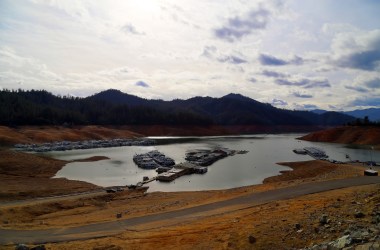
Environment This Week in California’s Drought A round-up of news and research on the Golden State's thirst for water. Wes Judd
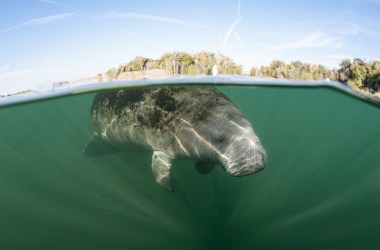
Environment What Voldemort and Climate Change Have in Common At Hogwarts and in Florida, respectively, the threatening phenomena must not be named. Tom Jacobs
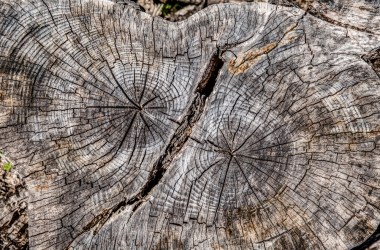
Environment Lord of the Tree Rings Benjamin Cook looks at ancient trees to forecast future droughts. His latest findings are not good news for the West. Alisa Opar
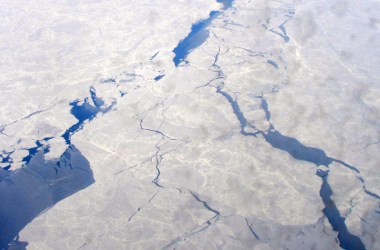
Environment The Government Is OK With a 75 Percent Chance of a Major Arctic Oil Spill. Are You? The Department of the Interior says there’s a 75 percent chance of a major oil spill in the Arctic—and it’s willing to take that chance. Brian Palmer