If human civilization begins to expand into space, will colonists feel loyalty to their country, their planet, or Elon Musk?
Roy's essays about the environmental and human costs of late-capitalist development read as dispatches from a recent past that will also be our future.
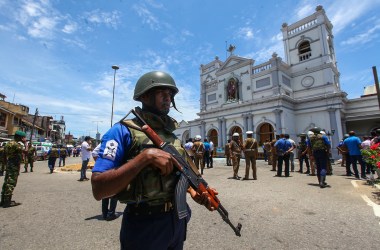
After the Easter Sunday attacks that left at least 200 people dead, a religious studies professor looks back at how Christianity came to the island nation.
As missionaries spread across the South Pacific, they attempted to wipe out local tattooing traditions—but they failed in Samoa.
The initiative will not meet any definition of climate justice if it becomes the next chapter in a long history of U.S. industrial policies that have oppressed people.

The indie musician uses her wistful rock music to explore, and reclaim, her indigenous and queer identity.
In a rare move, Britain is considering returning the remains of the Rhodesian Man, the earliest human fossil found in Africa, to its home country.
Instead of making students memorize facts, we should teach them to ask questions.
Can science fiction help American viewers to empathize with occupied peoples?
In refusing the restitution of stolen artifacts, museums ironically ask us to forget the crimes of the past while serving as custodians of history.
A long, tortured history with colonizers makes the conventional aspirations of success not applicable to California Indians.
Do egregious events from world history—specifically colonialism—warrant some sort of official reparations and, if so, what would these look like?