Computer models combined with 1,000 years of climate data indicate that greenhouse gases will bring severe droughts to the Southwest and Central Plains by the end of the century.
New research finds paying people an hourly wage, or otherwise getting them to think in time-as-money terms, makes them less likely to act in environmentally friendly ways.
It's time to stop focusing on population growth as the cause of our environmental problems. It’s not the main culprit, and the women of the world are already doing all they can to slow it. They just need more support.
Nail polish, batteries, hand sanitizer: You may not think of these regular household items as toxic, but they are, and they’re poisoning our water and food supplies.
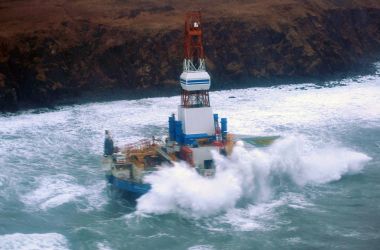
Did Big Oil learn anything from the financial and near-environmental disaster that was the grounding of Shell’s Arctic drill ship in 2012? And will they be able to apply those lessons now that oil prices are plummeting?
The FBI once called radical environmental activists the “number one domestic terror threat,” but crimes of “eco-terrorism” are practically non-existent now.
In Edward Struzik's new book Future Arctic: Field Notes From a World on the Edge, he avoids the apocalyptic and offers a vision of how pragmatists could tackle some of the region's many environmental problems.