Social Justice Rush Limbaugh’s Non-Apology Apology Research reveals the rhetorical tricks Rush Limbaugh used to minimize personal responsibility as he apologized to the woman he called a slut. Tom Jacobs
Social Justice How the Military Can Change Personalities, Slightly Military training seems to permanently make a grunt less agreeable, which both surprises and reassures traditionally minded psychologists. Emily Badger
Social Justice Thinking Creatively: Just Add Milk Shaking up everyday rituals — even the order of preparing a breakfast dish — may be a way to stimulate innovative thinking. Tom Jacobs
Social Justice Pressure to Conform Can Inspire Creativity New research suggests less-creative people do more innovative thinking when they are told individualism is the norm, and instructed to conform. Tom Jacobs
Economics Better Super Bowl Makes for Better Ads A lot of people say they watch the Super Bowl mostly for the ads. But it turns out a good game surrounding those ads makes them seem better. Emily Badger
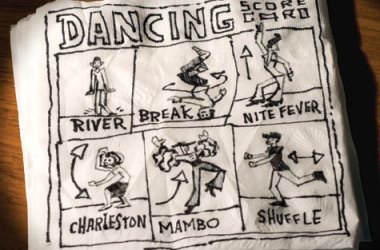
Social Justice Women Eye Dance Moves to Find Thrill Seekers How to spot thrill-seeking men on the dance floor, "sweet" personalities in public, and bidding fever on eBay. Tom Jacobs
Social Justice Morning People May Be More Creative in the Afternoon New research finds problems that require a flash of illumination to solve are best approached during the time of day when you’re not at your peak. Tom Jacobs
Social Justice We’re Sorry: Not All Apologies Are Apologies Politicians take note: Research shows the fine line between claiming regret and taking responsibility. Tom Jacobs
Social Justice Sex on the Brain Proves Costly for Men New research suggests the mere idea of an encounter with a woman can impair men’s cognitive performance. Tom Jacobs
Environment Why Robot Maids Won’t Do the Dishes How hard is it to design a humanlike robot? Harvard's Steven Pinker highlights how simple human accomplishments represent formidable robotics challenges. Steven Pinker