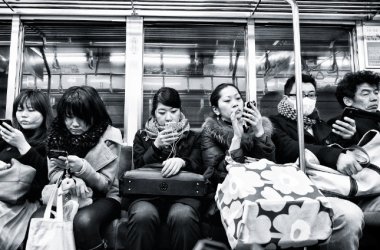
Environment No, Smartphone-Loss Anxiety Disorder Isn’t Real But people are anxious about losing their phones, even if they don’t do much to protect them. Bettina Chang
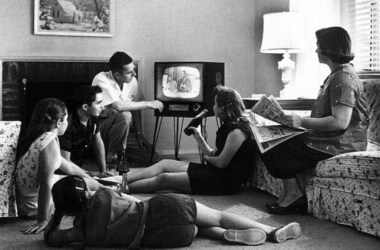
Social Justice Being a Couch Potato: Not So Bad After All? For those who feel guilty about watching TV, a new study provides redemption. Avital Andrews
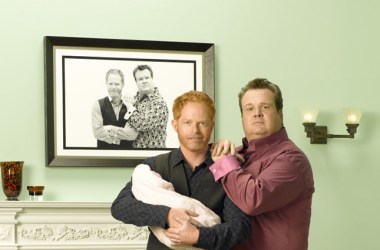
Social Justice How Gay Men Feel About Aging Coming to terms with growing old can be difficult in the gay community. But middle-aged men are inventing new strategies to cope. Paul Bisceglio
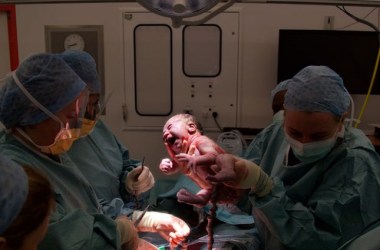
Social Justice Cesareans Are Still Best for Feet-First Babies A new study confirms that surgery is the safest way to deliver a breech fetus. Avital Andrews
Economics The Impossibility of the Night Shift Many night workers get “shift-work sleep disorder.” And no one knows how to treat it. Avital Andrews
Social Justice How the Brains of Risk-Taking Teens Work There's heightened functional connectivity between the brain's emotion regulator and reason center, according to a recent neuroscience paper. Matthew Wallock
Social Justice When Mothers Sing, Premature Babies Thrive Moms willing to serenade pre-term infants help their babies—and themselves. Avital Andrews
Economics One Toxic Boss Can Poison the Whole Workplace Office leaders who bully even just one member of their team harm everyone. Paul Bisceglio
Social Justice Diversity Is in the Eye of the Beholder Perception of group diversity depends on the race of the observer and the extent to which they worry about discrimination. Bettina Chang
Social Justice Psychopathic or Just Antisocial? A Key Brain Difference Tells the Tale Though psychopaths and antisocial people may seem similar, what occurs in their brains isn’t. Avital Andrews