

The latest entry in a special project in which business and labor leaders, social scientists, technology visionaries, activists, and journalists weigh in on the most consequential changes in the workplace.
In order for tech workers to cash out on home equity, Proposition 13 forces them to move to another state.
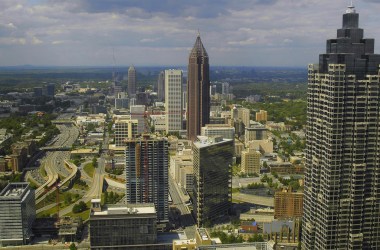
From 2000–2013, Atlanta has fallen further behind other large metros in growing its population of college-educated young adults.
Better to develop people and have them leave than to attract and retain college graduates.
The pull of opportunity, not the push of expensive real estate, drives migration from California.
Pittsburgh is the best place in the United States to flip property. What explains the real estate boom?
The tech talent apple doesn't fall too far from the university tree.
You go where you know. You went to the wrong college and spent too much money.
In a global era of demographic decline, the quality of employment trumps the number of jobs.
Like manufacturing before it, the Innovation Economy has reached a turning point, with jobs moving to places where labor is cheaper.
The basketball star isn't the only one moving back to Ohio. Even with manufacturing on the decline, Cleveland is drawing talented migrants from other areas.
Where we find innovation, we find industry clusters. That doesn't mean the two are causally linked.
There are more factors at play than just those related to the real estate market.
With a diversified employment base, the Emerald City will survive as Boeing starts looking for new talent outside of Washington State. But what does the search for cheap STEM talent say about the Innovation Economy?
Talented people are starting to move to places where the cost of living is more reasonable, but a town can't just be cheap and wonderful. It also has to be connected.
Is the Big Tech lobbying effort for immigration reform just a ruse to keep wages low?
Just because a net migration number is negative doesn't mean there is brain drain. A shrinking population doesn't always indicate a dying place.
Do today's high school students prefer to take the AP Art History exam over AP Biology?
Openness to immigration behaves in the same way as openness to trade.
The financial crisis turned the world upside down.
Our biggest businesses complain about a shortage of skilled labor. Instead of calling on the government to act, they should consider workplace policies that are friendlier to women and immigrants.
What happens when a place is no longer able to attract more people?