Westminster, Colorado's focus on taming water demand has become a regional model for managing growth without straining resources.
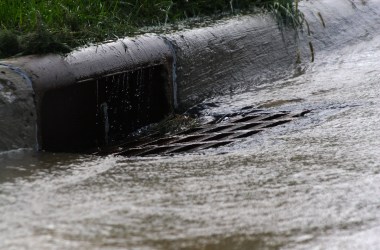
A conversation with Morgan Shimabuku about municipal stormwater leaders, overcoming barriers, and how better use of stormwater can increase climate change resilience.
The aquifers in question are located in the Sonoma Lowlands sub-basin, and they are each a vital source of irrigation water for grape growing.
Lost in the excitement around the legislation is the fact that water agencies have no way to measure how much water their customers use indoors.
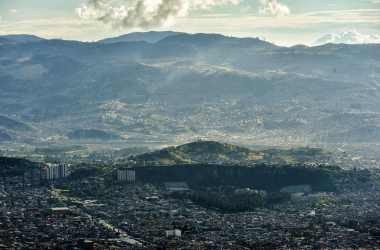
Due to farming, coal mining, and climate change, the Colombian capital's unique water ecosystem is disrupting the delicate balance that ensures water for the city.
A recent funding decision has put the ambitious water project on firmer financial ground, but California Water Fix must still clear numerous regulatory and legal hurdles.
A round-up of images from Viewfinder, Pacific Standard's daily photo feature.
A massive nature preserve exists inside one of the world's largest megacities, and it's continued existence is vital to the urban area's water supplies and ecosystems.
As water shortages increase across the country, beer companies are adapting to this new reality in innovative ways.
In the spirit of last week's Fort Bragg announcement, we present a few other interesting ways Californians have gone about saving water.
New research finds people are highly reluctant to change their water-wasting habit of flushing the toilet after every urination.
Shame them and pressure them, and maybe make them pay some money.
New research from Arizona finds we associate traditional, water-intensive landscaping with high social status.
North Texas, the fastest-growing region in the fastest-growing state in the nation, has a growing demand for water. While the rest of the U.S. is tearing down decaying dams, Texas wants some dam water.
While not every dire prediction has come true, amid swimming pools and thirsty crops, the hard truth remains that the American West cannot maintain its spendthrift ways of using fresh water.
Having completed his 5,000-mile voyage, Kristian Beadle weighs his trip's carbon use and examines whether the benefits balance the costs.
Our Kiri blogger asks if a master-planned monstrosity, perhaps with a bit of greenwashing to hide the problems, is better or worse than an unworkable city that arises higgledy-piggledy?
A picturesque Baja town has been hammered repeatedly by the escalating tempo of flooding from tropical storms.
Forests of trees that live in the salty and submerged tropical coastlines provide a wealth of benefits, although humanity is spending that wealth recklessly.
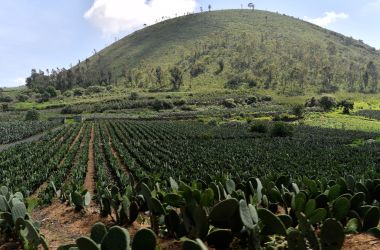
A lush desert — there is such a thing — teaches the value of water management in an almost waterless environment.
The Voyage of the Kiri enters Mexico — at least the Tijuana watershed — before even leaving the U.S.
As Californians start looking seriously at using greywater for home irrigation, all roads — or pipes — lead to Art Ludwig.
To save water, some cities let residents replace grass lawns with artificial turf. Environmentalists call for xeriscaping. Aesthetes wince.
With a clear cash incentive to reduce garbage, the 'one-can' concept gains ground.