
Field Notes: The Rusting Remains of a Famous Labor Dispute Site

Rankin, Pennsylvania: Built in the 19th century as part of the Homestead Steel Works complex, the Carrie Furnaces produced up to 1,250 tons of iron per day at their peak in the 1950s and ’60s.
Rankin, Pennsylvania: Built in the 19th century as part of the Homestead Steel Works complex, the Carrie Furnaces produced up to 1,250 tons of iron per day at their peak in the 1950s and '60s.

This photograph originally appeared in the June/July 2018 issue of Pacific Standard. Subscribe now and get eight issues/year or purchase a single copy of the magazine.

Related Posts

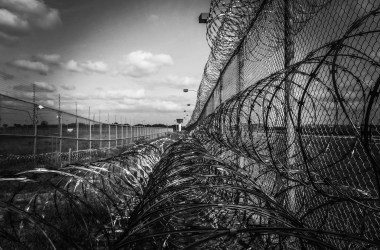
Prisons have no incentive to pay inmates better—to the contrary. Unlike workers in the free market, who (theoretically, anyway) can weigh factors like pay, working conditions, and other benefits when deciding where to work, inmates do not have a choice between employers. If they need the money, or the experience, they must take or leave what the prison is offering.

The Death Penalty in America: A Lethal History

In colonial Virginia, authorities could hang settlers for a crime as small as stealing grapes or killing a neighbor's chicken. The penal code in America's first colony was, in fact, so harsh its governor eventually reduced the number of capital offenses out of fear that settlers would refuse to live there. Since then, the number and severity of crimes punishable by death in the United States have fluctuated; today, the death penalty is still legal in 31 states. Here are some of the critical turning points in the history of capital punishment in America.
See More