

PS Picks: Porochista Khakpour’s Unflinchingly Honest New Memoir

PS Picks is a selection of the best things that the magazine’s staff and contributors are reading, watching, or otherwise paying attention to in the worlds of art, politics, and culture.
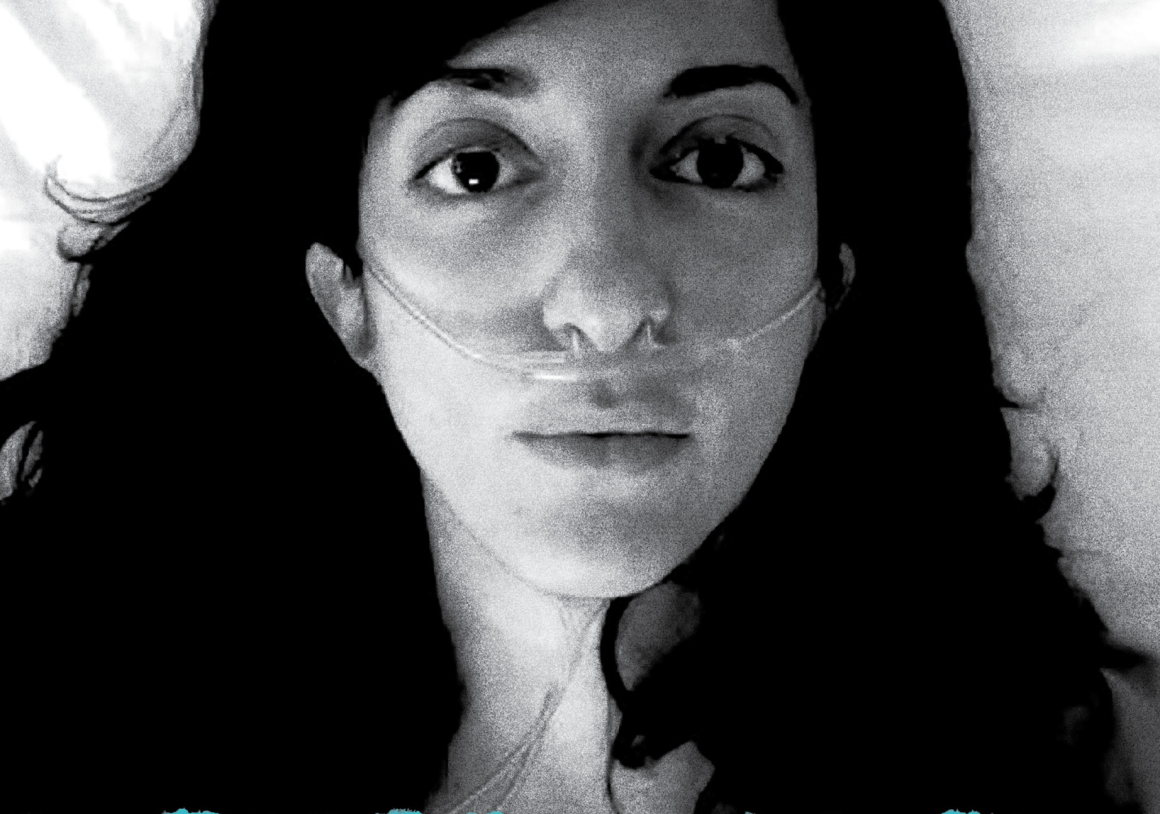
Detail from the cover of Sick by Porochista Khakpour.

The body, as the saying goes, is a temple. But what if it’s also a sort of prison? That’s the central question of Porochista Khakpour’s Sick: A Memoir, an account of the author’s battle with late-stage Lyme disease. Implicitly or explicitly, so much of the current rhetoric around illness touches on so-called personal responsibility—health insurance that punishes “risky” behavior, home-testing kits that encourage “taking control” over one’s genetic destiny—and Khakpour confronts this prejudice head on, telling us about her sickness and its side effects and wondering, before we can ask, where it might’ve come from.

The book is unflinchingly honest about the cost of being a sick person: Khakpour spent $100,000 trying to get a firm diagnosis, and the toll Lyme took on Khakpour’s life, relationships, and work is astonishing when one considers that she managed to publish two excellent novels and dozens of equally excellent pieces of criticism and short fiction while plagued by symptoms that kept getting worse, with little rhyme or reason, before she received the correct diagnosis.

A version of this story originally appeared in the June/July 2018 issue of Pacific Standard. Subscribe now and get eight issues/year or purchase a single copy of the magazine.


Related Posts

Prisons have no incentive to pay inmates better—to the contrary. Unlike workers in the free market, who (theoretically, anyway) can weigh factors like pay, working conditions, and other benefits when deciding where to work, inmates do not have a choice between employers. If they need the money, or the experience, they must take or leave what the prison is offering.

The Death Penalty in America: A Lethal History

In colonial Virginia, authorities could hang settlers for a crime as small as stealing grapes or killing a neighbor's chicken. The penal code in America's first colony was, in fact, so harsh its governor eventually reduced the number of capital offenses out of fear that settlers would refuse to live there. Since then, the number and severity of crimes punishable by death in the United States have fluctuated; today, the death penalty is still legal in 31 states. Here are some of the critical turning points in the history of capital punishment in America.
See More