Ideas The Supreme Court Blocked Mandatory Medicaid Expansion. A New Study Finds That Cost 15,000 Lives. When the Supreme Court ruled that Obamacare's Medicaid expansion was optional, 13 states opted out. Jared Keller
Ideas Out-of-Network Medical Bills Are a Problem. Health-Care Networks Are a Bigger One. There's bipartisan consensus on curbing "surprise medical bills," but the American health-care system's flaws run much deeper. Natalie Shure
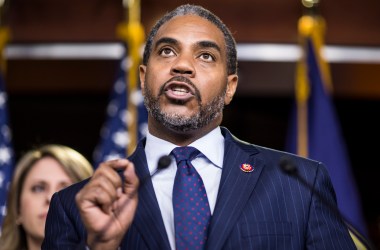
News in Brief Viewfinder Viewfinder: House Democrats Ask Why the White House Supports an Effort to End Obamacare Representative Steven Horsford (D-Nevada) speaks during a news conference on April 9th, 2019, in Washington, D.C. Pacific Standard Staff
Footnotes News in Brief Synthesizing the News Worries About Health-Care Costs Cut Across Party Lines But Republicans are far more likely to think that the United States' quality of care is among the best in the world. Francie Diep
News in Brief The ACA Has Reduced Opioid-Related Deaths Among Young Adults New research suggests the provision allowing people to stay on their parents' health insurance means more young people are getting treatment. Tom Jacobs
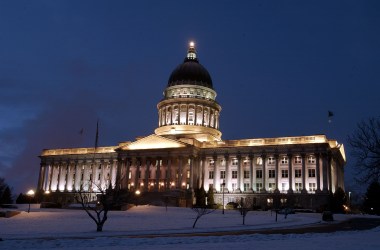
Ideas Utah Is Ground Zero for the GOP’s Plan to Limit Medicaid Expansion Through Block Grants A well-funded Medicaid expansion saves lives and money. Yet Utah and 14 other states are applying for work requirements in hopes of strangling the program. David M. Perry
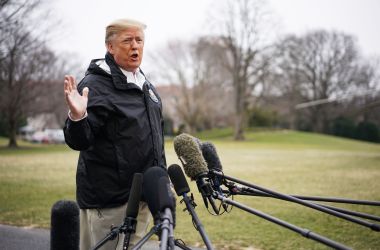
Ideas Trump’s 2019 Budget Proposal Is Dangerous—and Right in Line With Republican Values When it comes to attacking programs that help the most vulnerable Americans, Donald Trump is right in step with his predecessors and his party. David M. Perry
Ideas Why Expanding Health-Care Access Must Include Immigrants Public health means keeping everyone healthy—as a moral matter, and a practical one. David M. Perry
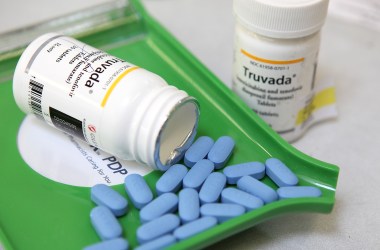
Key Takeaways News in Brief Researchers Say Trump’s Pledge to ‘Defeat AIDS in America’ Is Achievable. What’s Standing in the Way? Many of the Trump administration's own policies undermine this goal. Emily Moon
Key Takeaways News in Brief The Uninsured Rate Is the Highest It’s Been Since Obamacare Started. Experts Blame ‘Sabotage.’ Surveys show the number of uninsured Americans is increasing for the first time since Obamacare's rollout. Emily Moon